


Oyster powder processing requires equipment to match the condition of the raw material, the desired fineness and the production target. Qingdao Clender offers ultrafine pulverizer selection and material testing services for oyster powder processing, helping customers assess a suitable solution based on their actual feedstock.
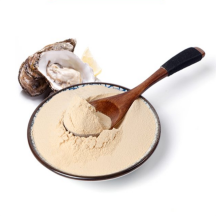
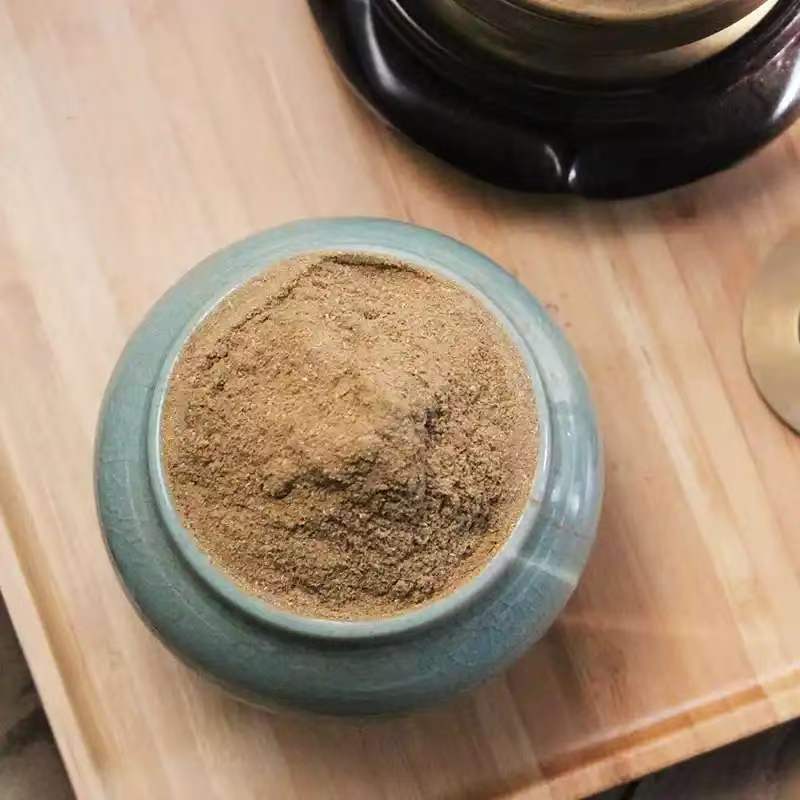
Oyster powder application illustration Not an actual trial sample
Oyster meat and oyster shells are different raw materials and require separate processing assessments. For oyster meat powder, key factors include drying condition, moisture content and fat content. For oyster shell powder, material hardness, pretreatment and equipment wear resistance must be considered. Identifying the feedstock correctly is the first step in equipment selection.
For materials suitable for dry grinding, a grinding and classification system can be configured around customer requirements. Target fineness, throughput and particle size distribution should be verified through material trials. Wet, oily or sticky materials require an assessment of drying or other pretreatment before the grinding configuration is selected.
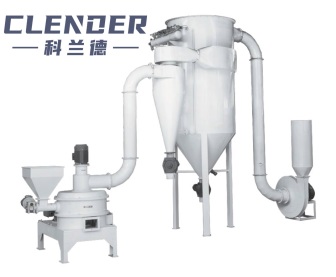
Clender ultrafine grinding equipment illustration Configuration subject to the technical proposal
A complete solution should also consider the feeding system, powder collection, dust collection system, and cleaning and maintenance requirements. For food applications, product-contact materials and hygienic design should be confirmed against the customer’s production requirements.
Clender supports material grinding trials to assess processing results against the requested fineness and hourly capacity. Customers are welcome to share the material type, whether it is oyster meat or shell, target fineness, capacity, and moisture or fat content to discuss a suitable oyster grinding solution.
Related Testimonials
Online Consultation
