


As activated carbon is increasingly used in environmental protection, food, chemical processing and adsorption applications, higher requirements are being placed on powder fineness, uniformity and processing stability. For such fine-powder applications, an ultrafine pulverizer combines grinding and classification to further reduce particle size and provide a more consistent powder for downstream use.
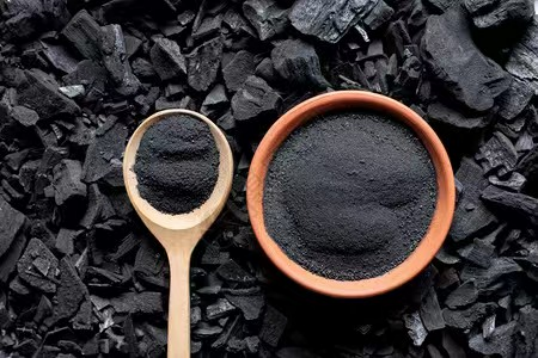
Figure 1. Activated-carbon-type material and fine powder result
The material shown in this test is an activated-carbon-type powder. After the grinding test, the material can be seen changing from a coarse form into a finer and more uniform powder. In actual production, final fineness depends on material properties, feed size, moisture content and the required mesh size.
The system combines high-speed grinding with a classification system. After entering the grinding chamber, the material is rapidly reduced in size. The classifier then controls the particle size: qualified fine powder moves to the collection section, while coarser particles continue grinding, helping improve product consistency.
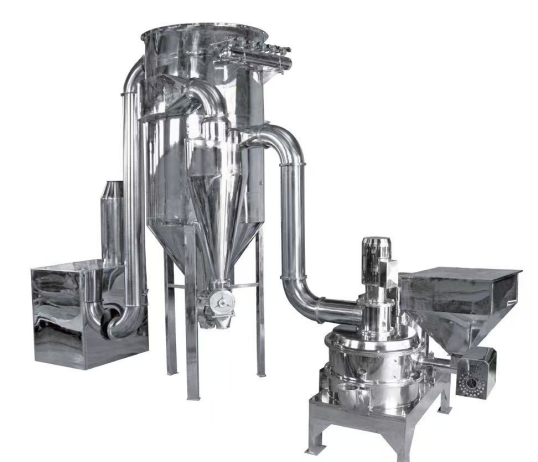
Figure 2. Ultrafine grinding system
For materials such as activated carbon, charcoal powder, mineral powder and selected chemical materials, equipment selection should consider more than target mesh size. Hardness, brittleness, moisture, bulk density and required capacity all affect the final configuration. A real grinding test is therefore an important step in confirming the most suitable solution.
We have tested more than one hundred different materials and accumulated practical experience in powder processing. Customers can provide their material, target mesh and required capacity, and we can recommend suitable grinding equipment and configuration based on the actual application.
Related Testimonials
Online Consultation
